Establish unambiguous boundaries and valid state matrices for parametric variables, preventing regeneration failures and geometric collisions before model execution.

Parametric variability without strict boundaries generates unstable models. Setting allowed values requires establishing precise discrete sets or continuous intervals for every configurable input. This restriction ensures that designers and automated workflows only trigger combinations verified for manufacturing feasibility.
Unchecked input boxes allow edge-case numbers that break downstream mates, invert fillet arcs, or violate physical wall-thickness thresholds. Implementing rigorous whitelists at the earliest input level prevents invalid computational overhead across entire assembly trees.
Configurable variables fall into three operational classes: discrete selection lists, bounded numeric intervals, and condition-driven booleans. Each class requires a distinct verification mechanism inside the configuration table.
Every numerical input must carry explicit minimum, maximum, and increment step definitions. Free-form string inputs or unbounded floating points are completely excluded from production configuration models.
When parameters depend on earlier choices, nesting the allowed values inside lookup arrays prevents the selection of mutually exclusive dimension sets. This containment keeps the configuration space lean, deterministic, and free of topological contradictions.
Enforce discrete standard component catalogs rather than open numeric ranges whenever off-the-shelf fasteners or stock raw materials are involved.
Clamp all custom dimensions with hard minimum and maximum ceilings tied to tool clearance and machine travel limits.
Map contextual dependencies so secondary inputs dynamically recalculate their valid intervals based on the primary configuration selection.
Senior CAD systems architect specializing in modular product architecture, parametric boundary definitions, and enterprise configuration logic.
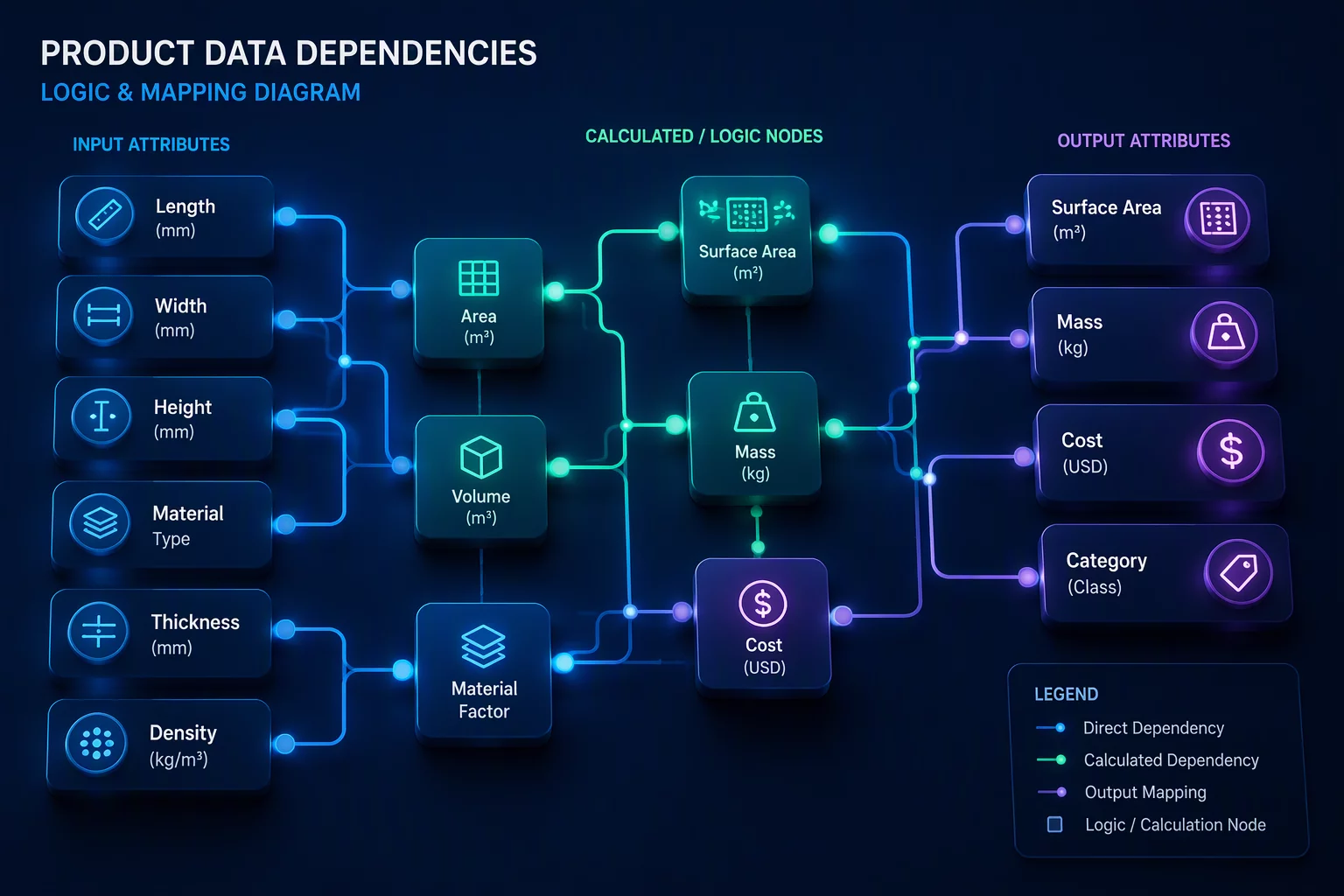
Learn how to map interconnected parameters accurately across multi-level variant trees.

Systematic strategies for pruning contradictory branches and impossible geometry requests.
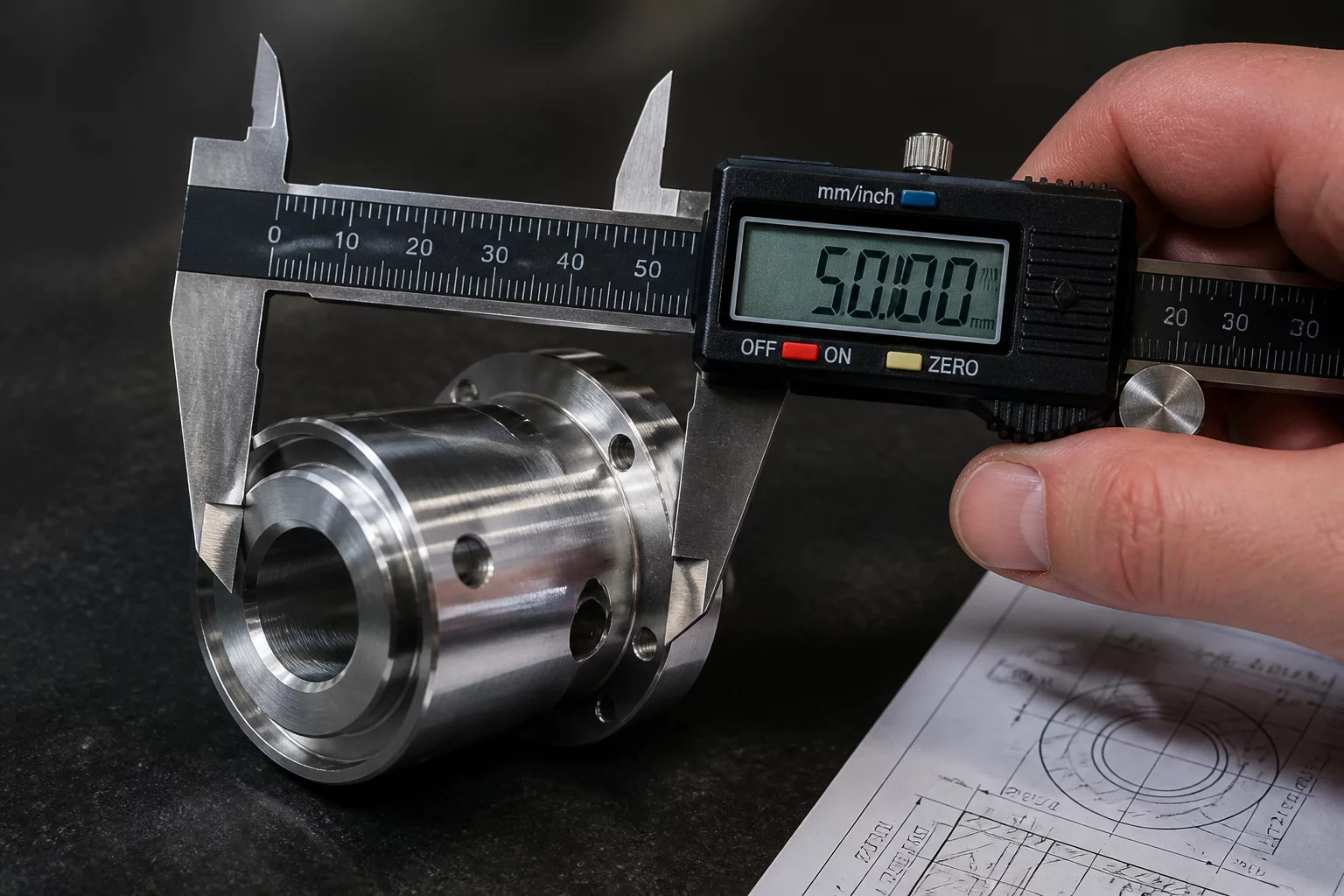
Guidelines for locking physical dimension limits against fabrication and assembly thresholds.