Strategic decision guidelines for choosing between branching independent model files and embedding dynamic configuration tables within unified CAD part studios.

Option forks establish detached standalone files when variations introduce entirely distinct manufacturing techniques or irreconcilable CAD feature trees. Conversely, configurations preserve a single source of truth across a spectrum of standardized dimension arrays, suppressing or unsuppressing internal features without fragmenting revision history.
Engineers frequently encounter performance bottlenecks when attempting to force non-linear geometry into a single configuration table. When structural logic bifurcates into separate foundational sketches or requires completely distinct fastener grids, forcing configuration tables leads to unwieldy feature lists, slow rebuild execution, and broken downstream assembly references.
Deciding between an option fork and a dynamic configuration depends primarily on shared topological mass and revision lifecycle dependencies. If greater than 80% of feature operations are shared and the variations are purely dimensional or involve minor modular cutouts, a configuration table remains the optimal approach.
Fork the model into an independent part studio whenever variant rules require more than 40% suppressed features across common states; otherwise, maintain parametric configuration tables to ensure automated metadata synchronization.
Option forks isolate release cycles for specialized market variations, protecting the core standard assembly from accidental breaking changes. When custom machining requirements or non-standard regulatory enclosures diverge permanently from the core family, hard forking preserves stability and simplifies downstream PDM release approvals.
Use Configurations for continuous numeric spans and standardized discrete components that share identical root sketches.
Execute Option Forks when manufacturing processes differ fundamentally, such as switching from cast iron to welded sheet metal.
Monitor assembly rebuild times; replace overly complex multi-tier configuration trees with cleanly versioned standalone forks.
CAD Systems Architect specializing in parametric model topologies, variant constraints, and automated bill-of-materials synthesis across modular industrial machinery.
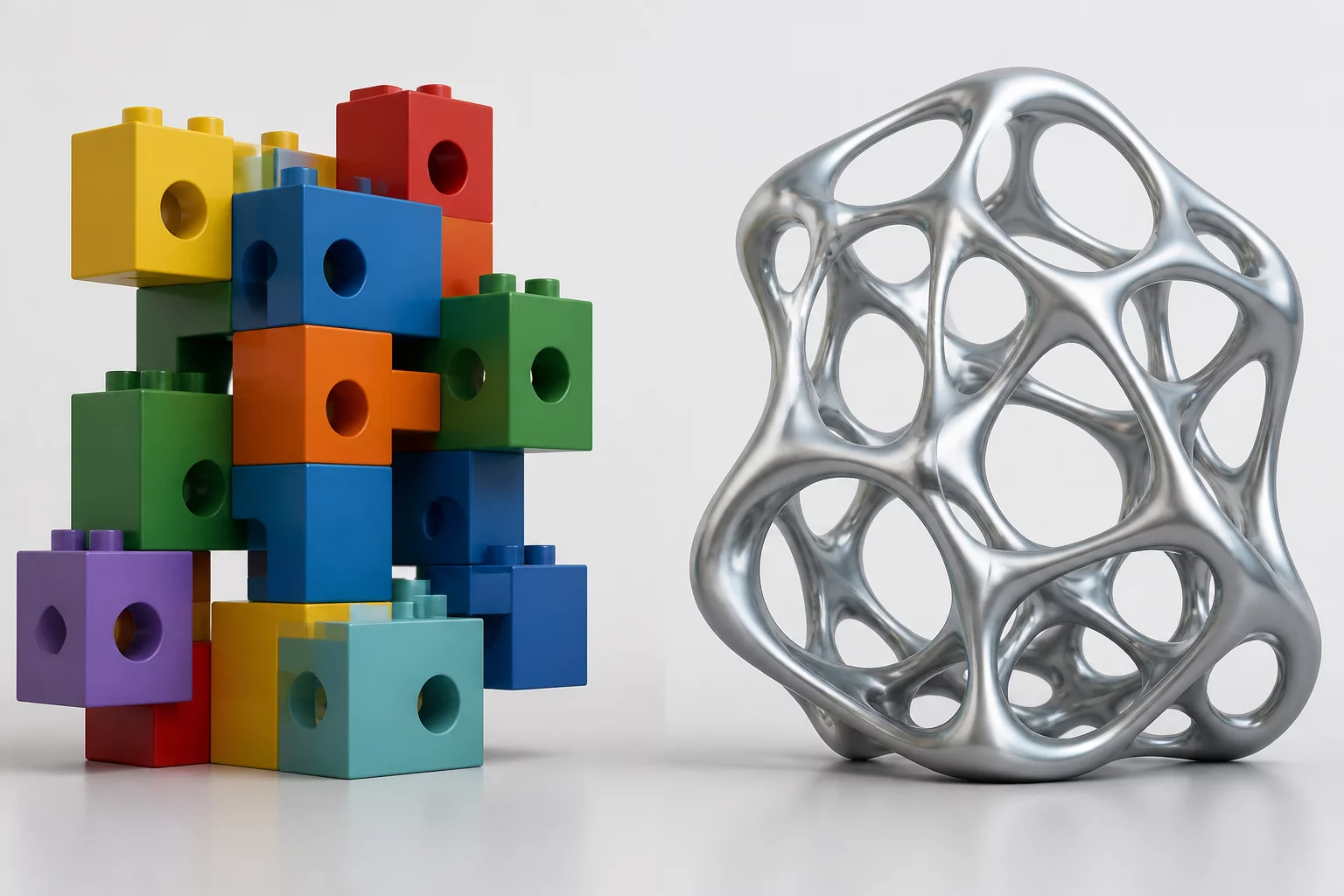
Comparing modular sub-assembly swaps against continuous parametric calculation models.

Establish true physical and commercial boundaries for complex variant families.
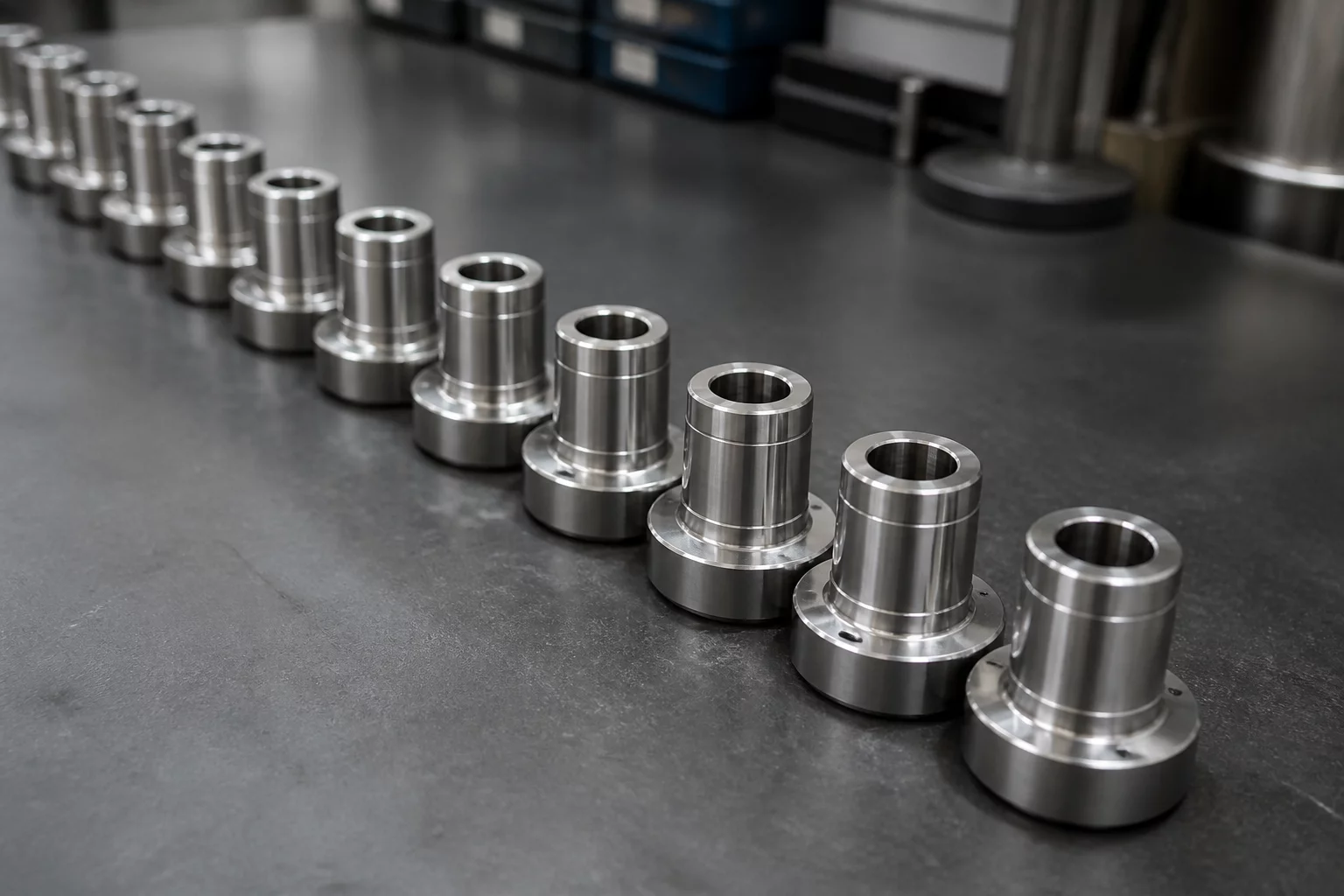
Engineering practices for standardizing variant tables and pruning invalid matrix states.