Establishing structural load limits, cross-member distribution rules, and parametric gusset placement in heavy-duty welded chassis models.
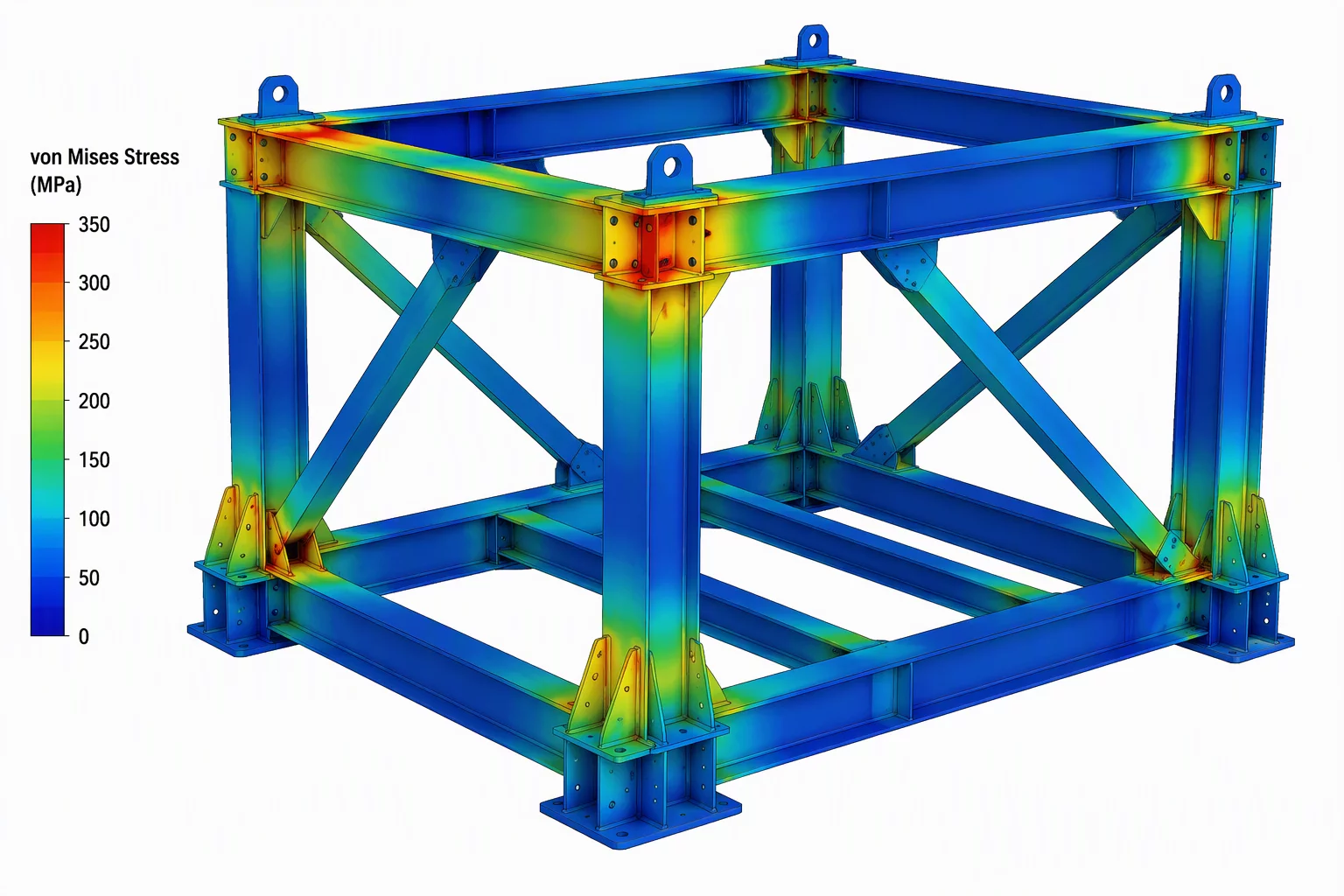
Heavy duty structural frames require adaptive stiffness across varying payload capacities and span lengths. Standardizing these assemblies in parametric CAD environments often fails when static beam sizes are stretched without compensating cross-member spacing or wall thickness.
By configuring mathematical dependencies directly within the top-level assembly tables, the frame automatically switches steel profile sections, adds interior diagonal bracing, and recalculates fastener arrays whenever the rated load exceeds critical structural thresholds.
The core logic separates independent physical inputs such as span length, deck width, and rated distributed payload from derived mechanical selections. Profile section dimensions scale discreetly through standardized tubular extrusion catalogues rather than continuous arbitrary thickness values.
Intermediate support beams populate dynamically when unsupported span exceeds 1200 mm, triggering boolean feature suppression for secondary gusset weld plates at 1800 mm increments to prevent torsional deflection under maximum corner torque.
Furthermore, mounting flange configurations check for commercial motor interfaces. Incompatible footprint bolt circles are eliminated upstream before generating bills of materials, preventing invalid physical fabrication requests.
Tie structural beam profile selection to discrete standard steel tubing lookup tables rather than continuous parametric scaling.
Automate intermediate diagonal stiffener suppression based on total span length and maximum concentrated load parameters.
Enforce mounting bracket flange compatibility checks upstream to prevent invalid chassis-to-machinery mating configurations.
Senior Structural Systems Architect specializing in modular chassis standardization, automated CAD pipeline rule sets, and high-load mechanical variant logic.
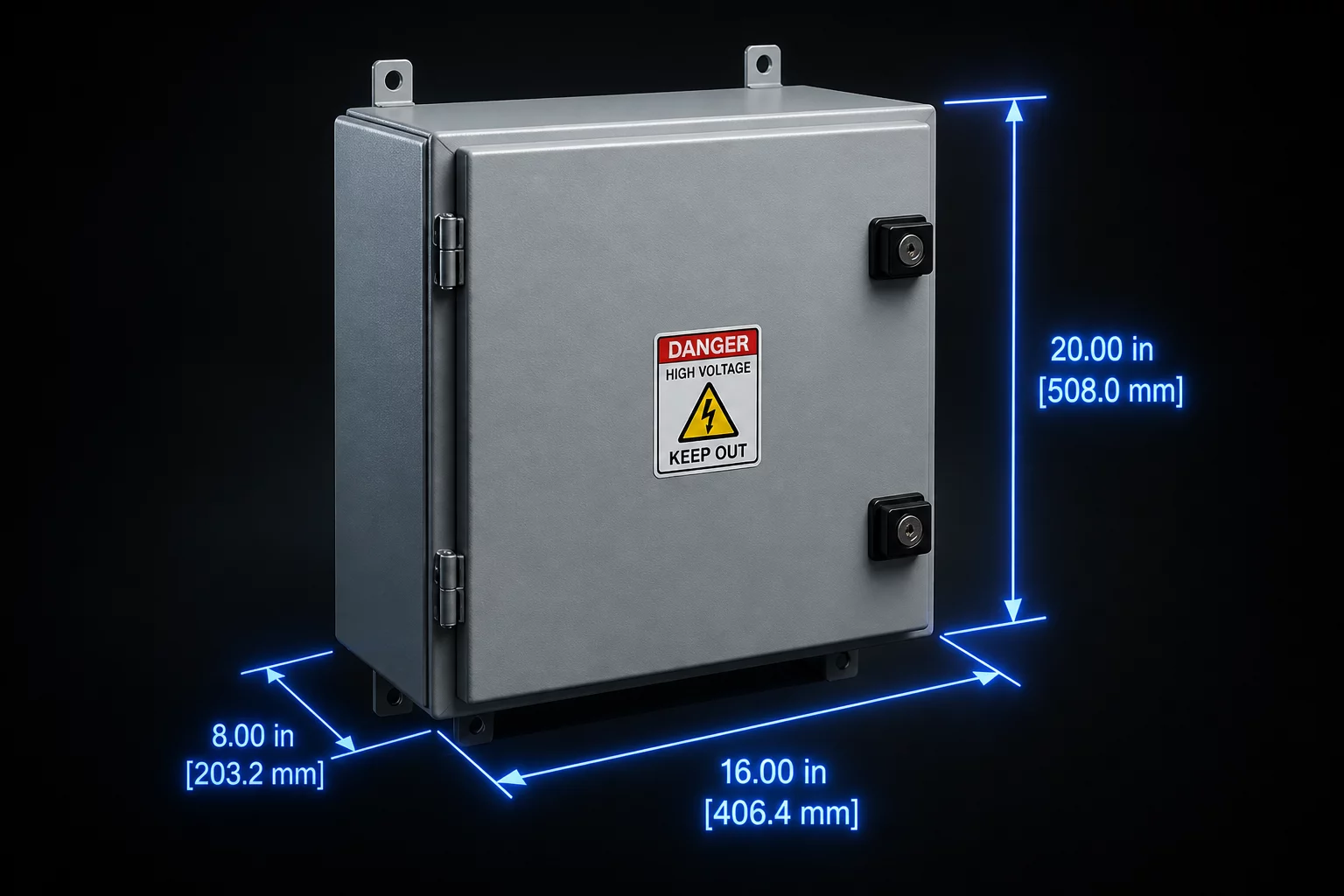
Managing internal clearance volumes, thermal dissipation gaps, and standardized NEMA panel variants.
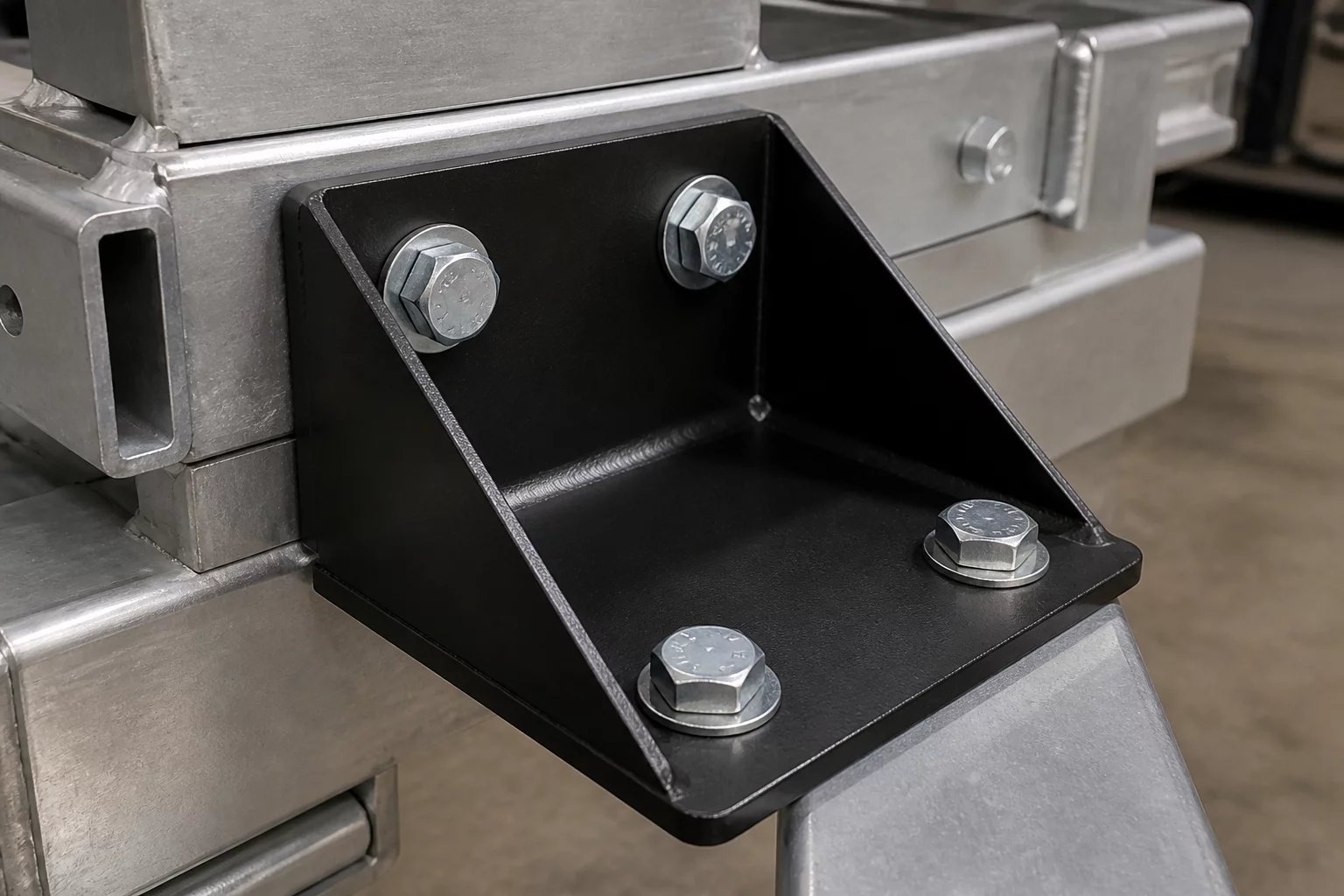
Enforcing fastener patterns, load-bearing orientations, and clearance boundaries across modular brackets.

Defining bend radius rules, conduit spacing limits, and dynamic bracket alignment for wire harness paths.