
Mapping Dependencies
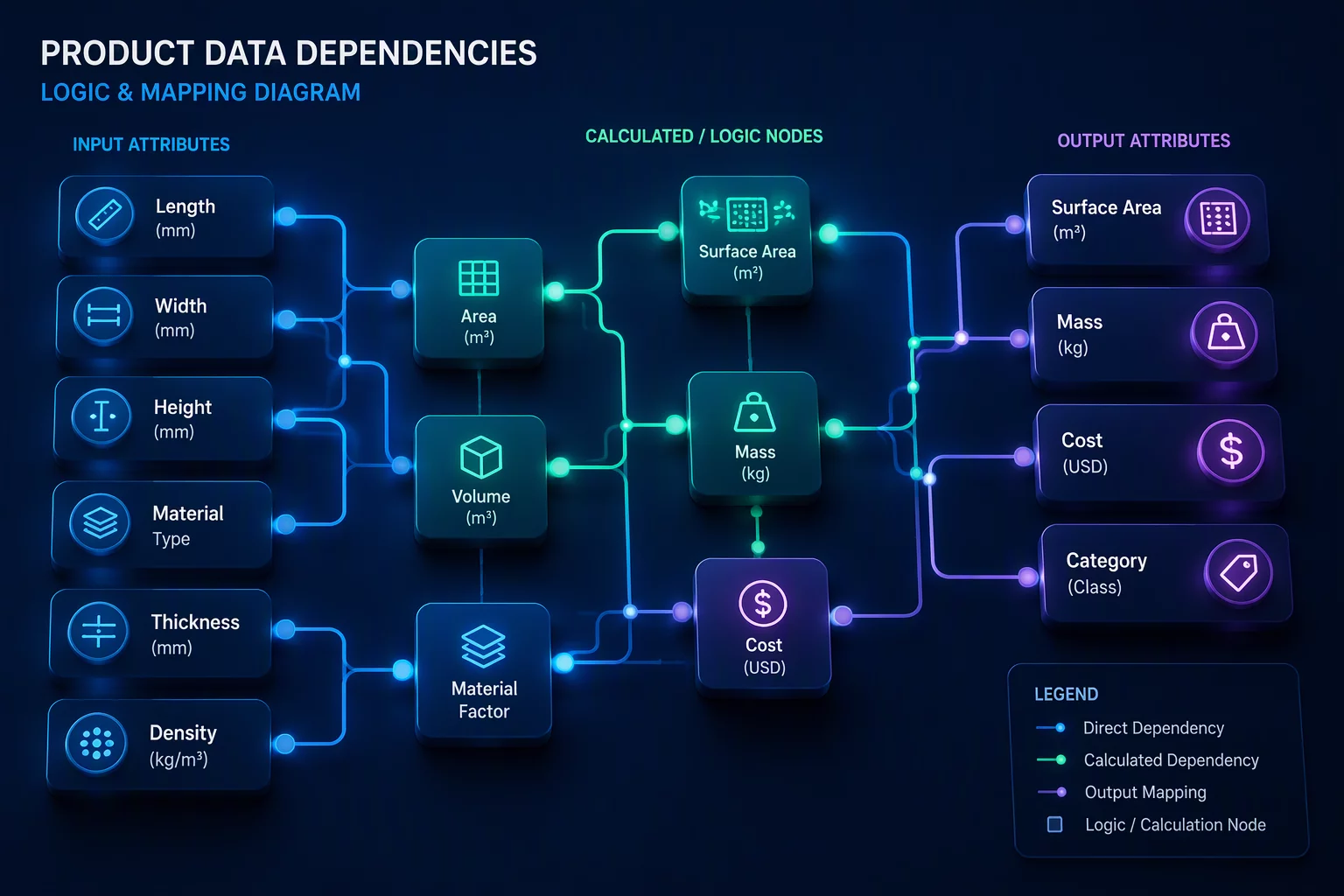
Learn how to map dependencies accurately to structure valid variant trees.

A Product Family Is More Than a Table of Every Possible Combination. Explore practical cases about configurable dimensions, optional features, dependencies, invalid combinations, and product-family logic.

In engineering design and parametric modeling, teams frequently confuse exploring divergent design directions with standardizing discrete variant logic. While tools like Onshape branching are ideal for exploring experimental concepts, standard product families require unambiguous parameter dependency rules.
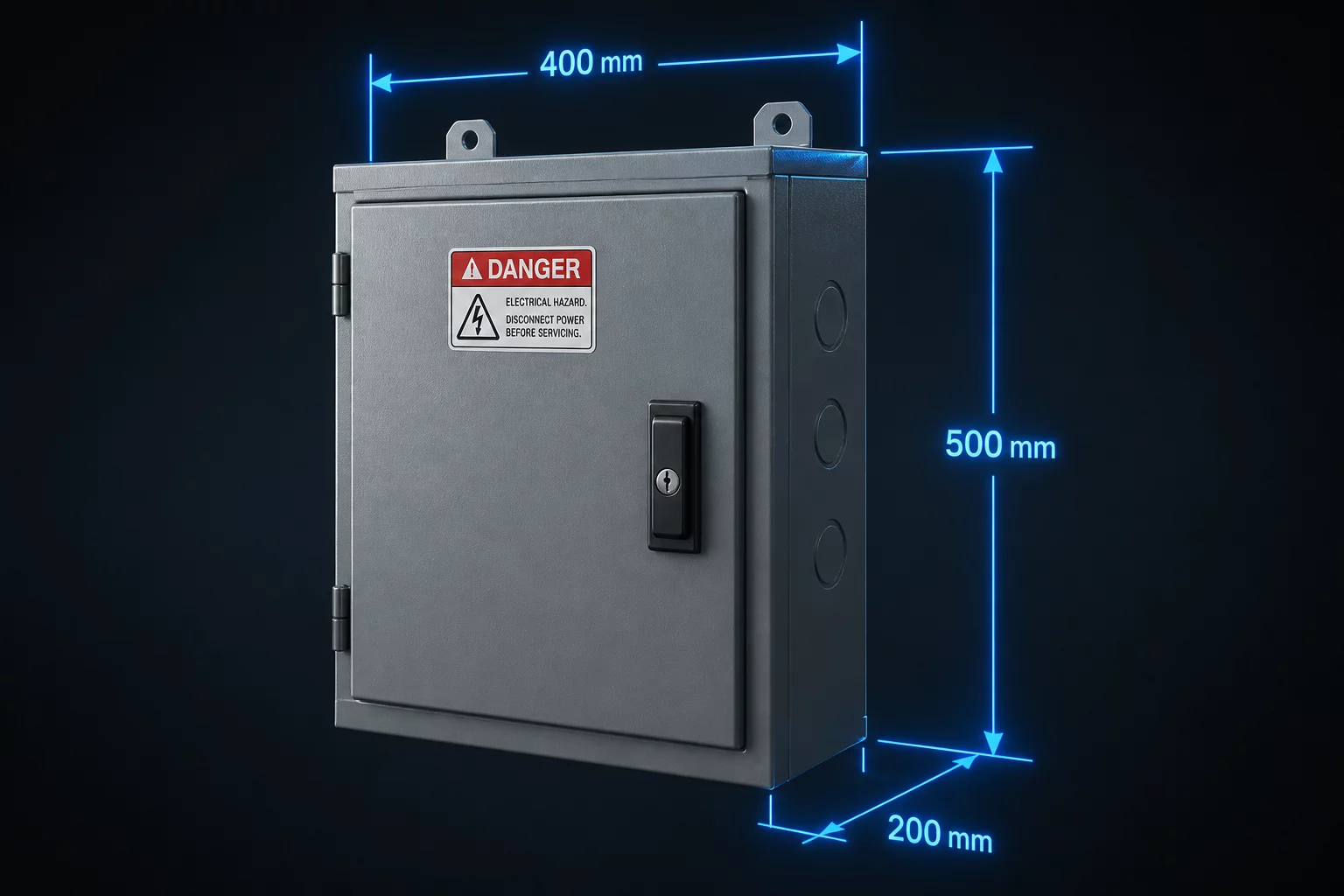
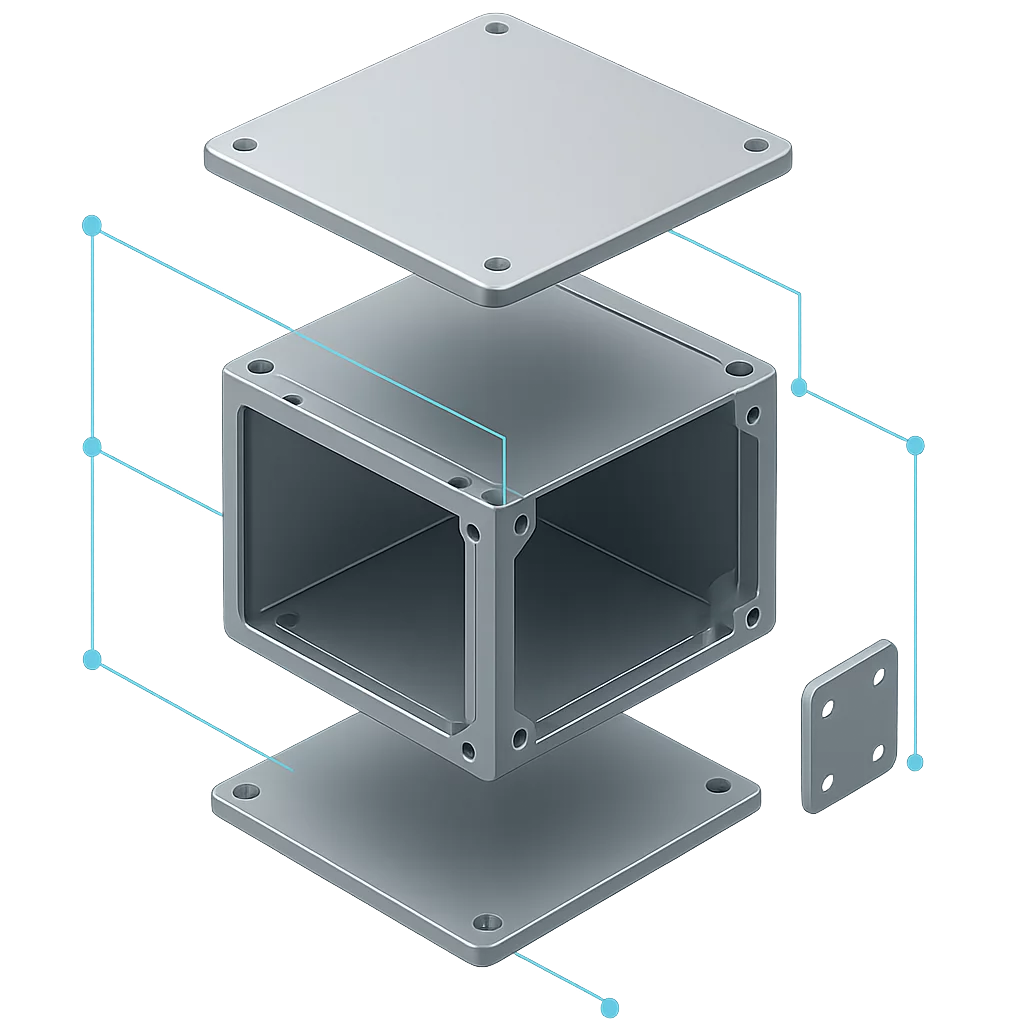
When an enclosure offers two widths, three heights, two mounting flanges, and an optional gland, you calculate 24 permutations on paper. Yet half of them produce physical interference or commercial unviability. ConfigurationLogic Atlas exists to bridge this exact gap: mapping legitimate input values, enforcing spatial dependency rules, and pruning invalid combinations before CAD models ever reach production.
Input → Allowed Values → Dependency → Invalid Combination → Resulting Variant
What the user is allowed to select.
The permitted values for each input.
When one choice affects another.
What must never exist.
Part numbers, materials, and metadata.
Product-level variants.
Verification of the configuration logic.
Complete worked examples.
Tailored engineering models designed to establish product boundaries, eliminate invalid CAD combinations, and govern parametric rules across part families.
Targeted advisory for CAD leads determining if product variations qualify as a single parametric family or require independent branching.
End-to-end structure modeling for complex assemblies. We map inputs, define allowed ranges, and prune unviable branches into standardized CAD families.
Continuous variant governance for scaling organizations adding new product options, dimension ranges, and modular hardware configurations.
We also design hybrid engagement models combining team training on Onshape Configurations with custom rule validation pipelines.
Define your part family scope, input complexity, and rule matrix boundaries. Get an instant scope estimation for formalizing valid product variants and eliminating invalid CAD assembly combinations.
Exploring structural configuration boundaries. When input permutations generate 12 theoretical models, physical center-of-gravity constraints invalidate desk mounting on 350 mm height tiers, reducing the legitimate family to 8 standard variants.
This configuration satisfies all structural equilibrium criteria. Center-of-mass remains within rated wall bracket deflection allowances without ballast requirements.
Raw input combinations generated by unconstrained matrix.
Tall 350 mm enclosures paired with unstable desk brackets.
The true legitimate boundary of this parametric product family.
Explore how Onshape Configuration tables isolate legitimate variants without branching explosion.
Establish deterministic relationships between inputs, valid dimension boundaries, and active feature flags across legitimate part families.
Learn how to map dependencies accurately to structure valid variant trees.

Establish strict allowed values for inputs to avoid impossible parameter sets.
Proven strategies for systematically pruning physically impossible variants.
Setting physical dimension limits ensuring parametric stability.
Define the true structural boundary separating permissible configurations from standalone product revisions.
Isolate primary user-driven variables from secondary assembly responses to construct stable control matrices.
Formulate robust algebraic expressions to automatically update dependent dimensions, clearances, and mounting holes.
Understand how tooling constraints and commercial viability dictate the allowable boundaries of family configurations.
Explore architectural blueprints for pruning impossible design variants, resolving dependencies, and managing modular configurations without combinatorial explosion.
Techniques for condensing extensive tabular parameter structures into streamlined, maintainable product matrices.
Structural approaches to enforcing multi-level CAD constraints without introducing recursive modeling conflicts.
Mechanisms for isolating physically or commercially unviable combinations prior to downstream BOM synthesis.
Examine how discrete input boundaries, dependency trees, and assembly rules isolate mathematically valid product variants from invalid physical permutations.
Logic for sizing industrial enclosures and managing dimensional dependencies across structural profiles.
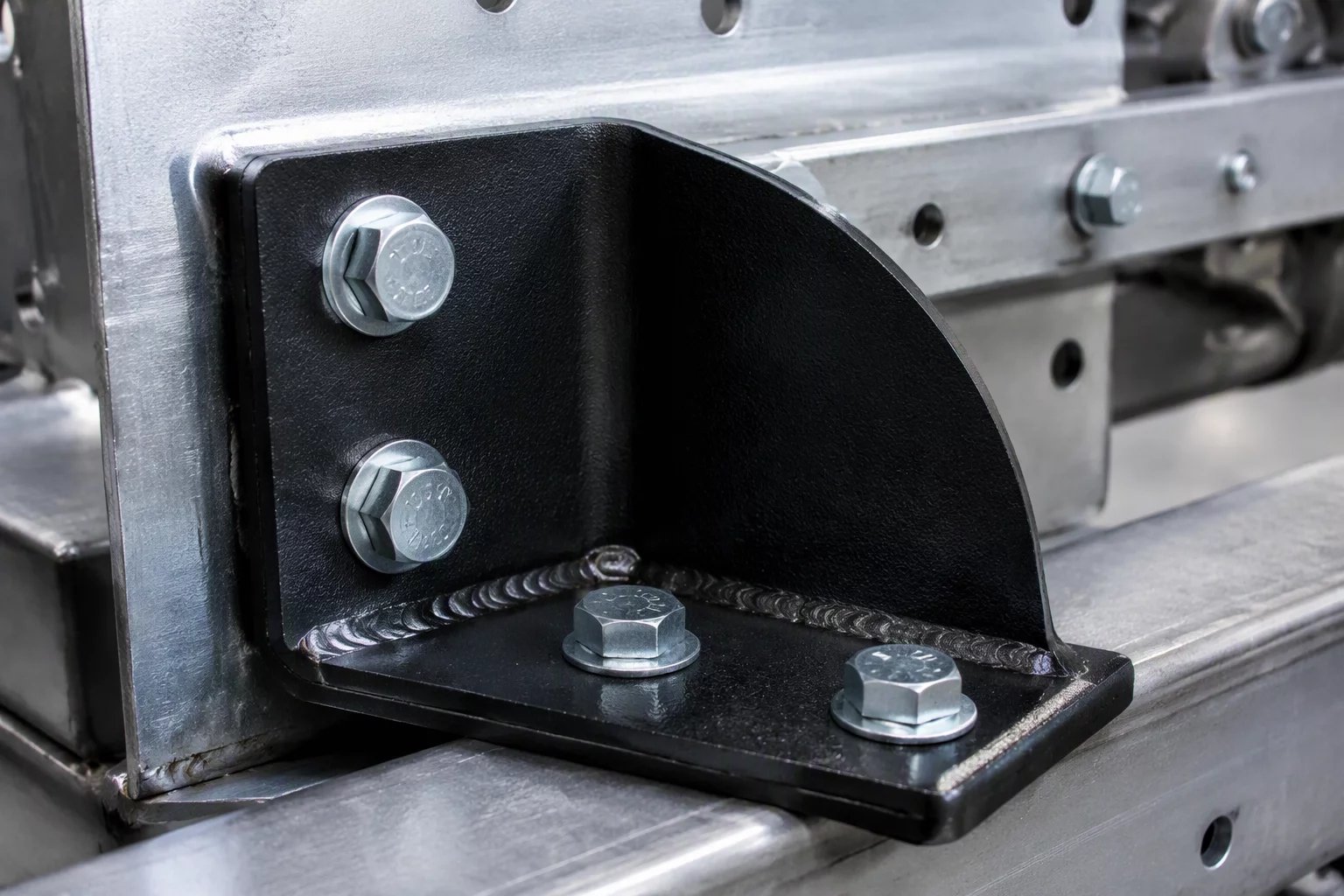
Rules for bracket mounting combinations and hardware constraints across modular assembly points.
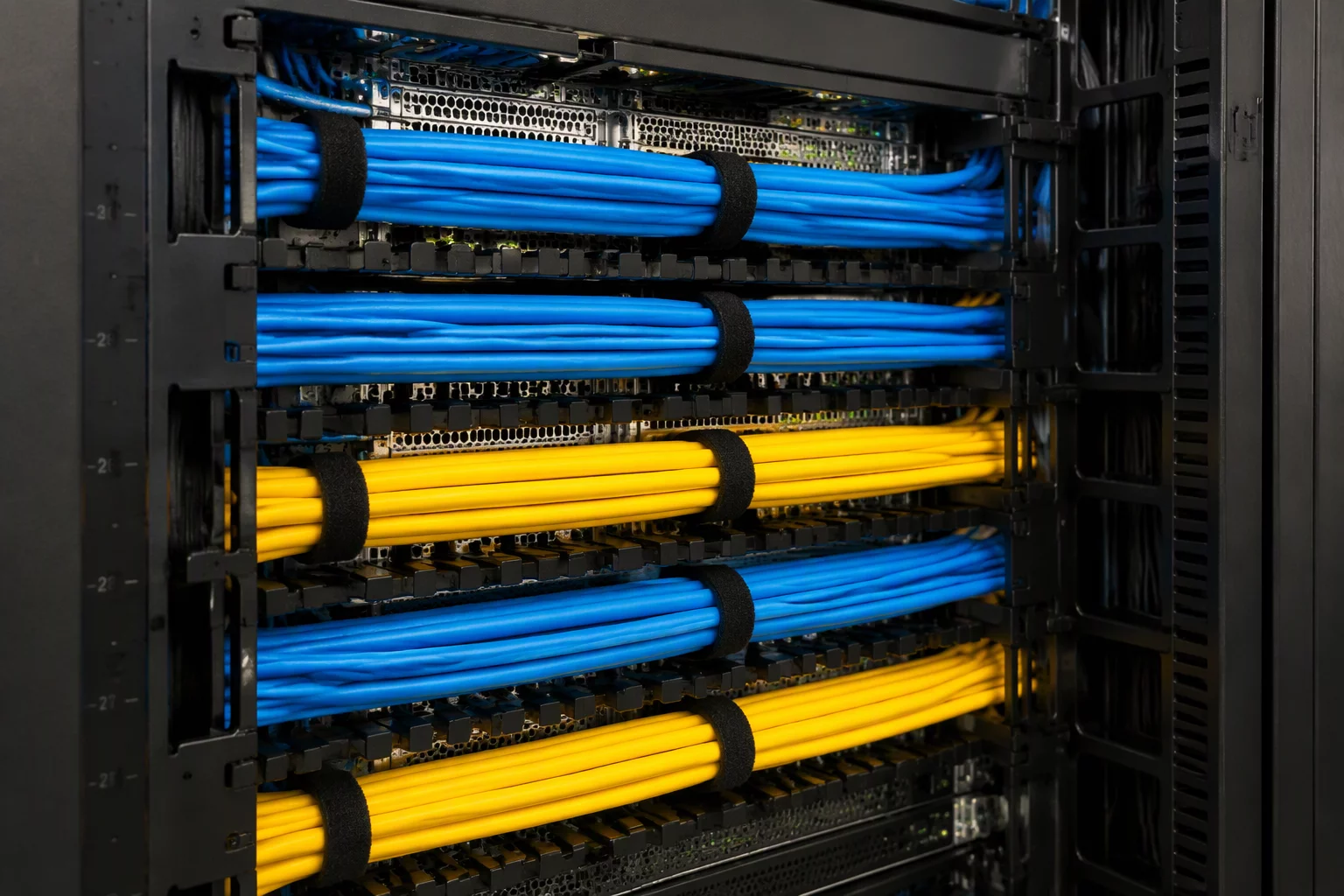
Configuring cable routing options and conduit gland counts based on internal payload dimensions.
Ensuring surface finish compatibility and coating validation against selected base materials.